

Fuel Prices, Policy Rigidities and the Case for a Pricing Regulatory Commission. (By Ing. Dr. Peter Debrah)

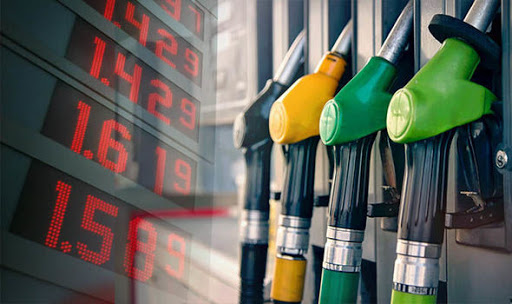
Ghana’s economy is gradually regaining its footing. The relative strengthening of the cedi, combined with a noticeable decline in global crude oil prices, presents a rare opportunity for real consumer relief, particularly at the fuel pumps. Under normal market conditions, such developments should translate into lower fuel prices and reduced cost-of-living pressures for households and businesses alike. Yet, for many Ghanaians, this relief remains largely unrealized.
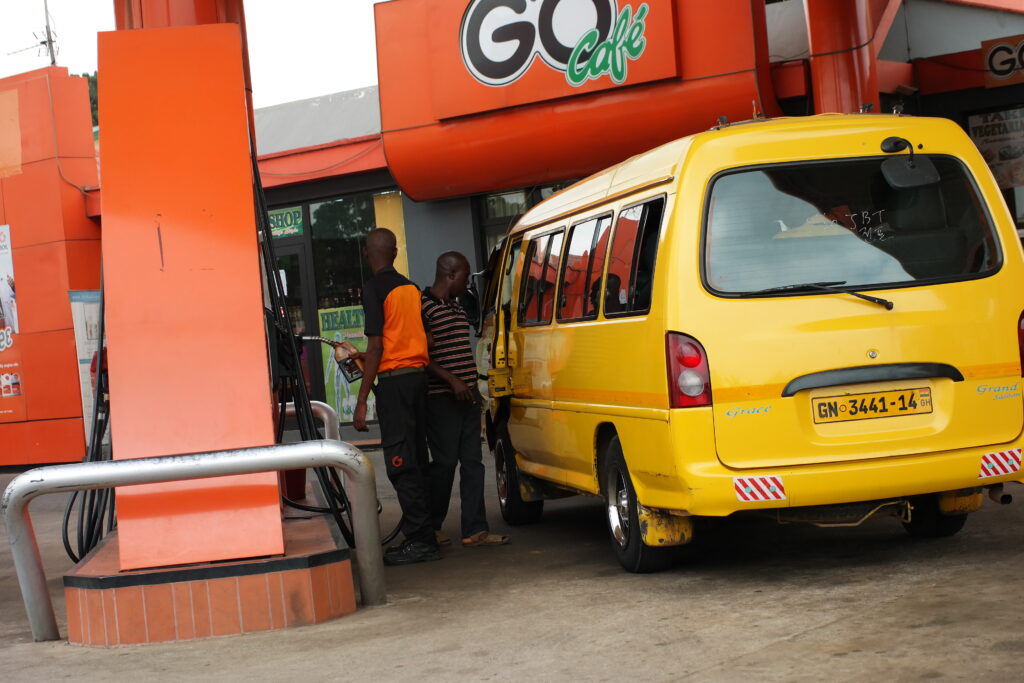
The reason lies not in global markets, but in domestic policy constraints. Ghana’s current petroleum pricing framework, specifically the price floor and ceiling mechanism overseen by the National Petroleum Authority (NPA), has limited the ability of Oil Marketing Companies (OMCs) to fully reflect favourable market conditions in pump prices. While the framework was well-intentioned, its rigidity in today’s economic context has become counterproductive.
With global petroleum prices trending downward and exchange-rate pressures easing, fuel prices in Ghana could reasonably fall significantly—potentially to around GHS 8.70 per litre. However, regulated price floors prevent OMCs from reducing prices beyond prescribed limits, even when cost structures and market realities justify further reductions. This disconnect raises a critical policy question: Is Ghana’s current pricing regime fit for today’s economic realities?
Why the Existing Pricing Framework Requires Reform
The price floor mechanism was originally designed to prevent predatory pricing, protect smaller OMCs, and ensure industry stability during periods of volatility. In times of rising prices, such safeguards play an important role. However, in a period of sustained global price declines, the same mechanism now suppresses competition and delays consumer relief.
Markets function best when prices are allowed to adjust, within reasonable and transparent safeguards. When OMCs are prevented from passing on efficiencies and cost savings, incentives for operational innovation weaken, consumer confidence erodes, and the public begins to question whether macroeconomic improvements truly benefit ordinary citizens.
Regulation should not inadvertently protect inefficiency or insulate prices from positive global trends. Instead, it should evolve in step with economic realities.
The Need for a Pricing Regulatory Commission
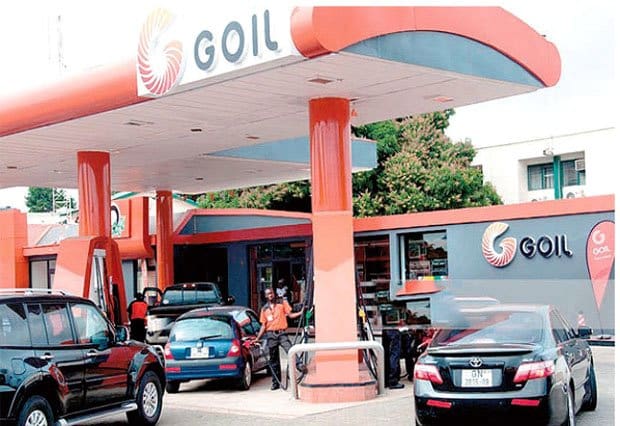
This challenge points to a broader structural gap in Ghana’s economic governance: the absence of a dedicated, economy-wide Pricing Regulatory Commission. Such a body would not replace sector regulators like the NPA, PURC, or others. Rather, it would complement them by providing coordinated oversight of pricing dynamics across strategic sectors.
A Pricing Regulatory Commission would:
- Ensure that fuel prices accurately reflect global market movements and local cost structures
- Promote transparency and consistency in pricing models across key sectors
- Protect consumers while preserving fair and healthy competition
- Provide evidence-based advice to government on price distortions, inflation transmission, and cost-of-living pressures
By taking a holistic view of pricing across the economy, such a commission would help ensure that economic gains are equitably shared.
Economy-Wide Benefits of Meaningful Fuel Price Reductions
Fuel pricing has far-reaching implications beyond the petroleum sector. Petroleum products are foundational inputs across the economy. When fuel prices decline meaningfully and transparently:
- Public transport operators can reduce fares
- Logistics firms and spare-parts dealers benefit from lower operating costs
- Construction, real estate, and infrastructure development become more affordable
- Small businesses and informal traders experience relief from high transportation and energy expenses
Ultimately, households feel the impact through reduced cost-of-living pressures. This is how macroeconomic recovery translates into lived economic improvement.
A Call for Legislative and Policy Action
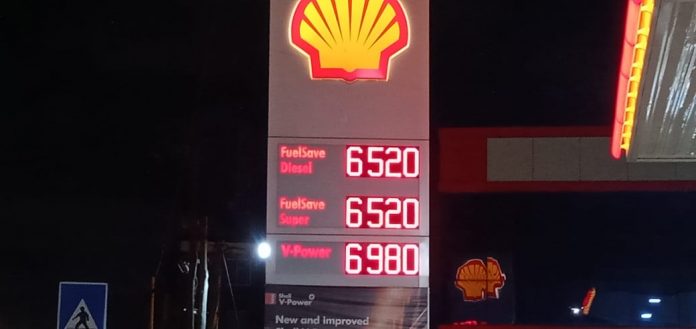
It is time for deliberate policy flexibility. The National Petroleum Authority should engage Parliament to review and amend the petroleum pricing framework—specifically to allow for the temporary suspension or adjustment of price floors during periods of sustained global price decline. Such flexibility would preserve safeguards during upward price cycles while allowing market forces to deliver consumer benefits during favourable conditions.
Economic regulation must be dynamic, not static. Policies should respond to changing realities, not constrain progress.
Conclusion
Ghana stands at a critical moment. The economy is stabilizing, global conditions are favourable, and public expectations for relief are rising. To sustain confidence and ensure inclusive growth, pricing policies must evolve to reflect present realities.
The establishment of a Pricing Regulatory Commission, alongside targeted reforms to the petroleum pricing regime, will help ensure that economic progress is not confined to reports and statistics but felt in transport fares, fuel prices, and everyday household expenses.
Ghana’s best days lie ahead, but only if policy choices are bold, responsive, and firmly centred on the welfare of the Ghanaian people.







Pamukkale paragliding tour Ben N. Such a relaxing hot air balloon ride! We even got a glass of champagne after landing. https://bibio.com.tr/travelshopbooking
Bodrum tours Professional team, well-planned schedule, and a very enjoyable tour. https://biolink.website/travelshop
Hierapolis theater tour Owen C. The Turkish bath experience was amazing after a long day of sightseeing. https://mylinkinb.io/travelshopbooking
Laodicea ancient city tour Loved the small-group tour format. https://c8ke.me/travelshopbooking
QQ88 là nền tảng cá cược trực tuyến uy tín, tích hợp casino live, nổ hũ, bắn cá và thể thao với hệ thống vận hành ổn định.
euro steriods
References:
marvelvsdc.faith
QQ88 là nhà cái cá cược uy tín hàng đầu châu Á 2026
QQ88 là nhà cái cá cược uy tín top1 châu Á 2026
qq8876 net thương hiệu cá cược uy tín 2025
qq88 casino là thương hiệu cá cược xanh chín 2025
qq88 agency là thương hiệu cá cược minh bạch 2026
qq88gs.com là nhà cái cá cược minh bạch 2026
https://qq88pk.com là nhà cái cá cược xanh chín 2026
https://qq887p.com là nhà cái cá cược xanh chín 2026
Discover the exciting world of gambling with 777 bet game and win big!
An important feature of 777bet includes comprehensive sports betting options.
Pamukkale textiles shopping Our guide’s English was excellent. https://campsite.bio/travelshopbooking
https://qq88.media là nhà cái cá cược xanh chín 2026
Karahayit hot springs Daniel T. ★★☆☆☆ Balloon flight cancelled due to weather (no refund). Alternative wine tasting felt rushed. Clearer cancellation terms needed. https://pastelink.net/5j5g6199
QQ88 là nền tảng cá cược trực tuyến uy tín, tích hợp casino live, nổ hũ, bắn cá và thể thao với trải nghiệm ổn định.
Trải nghiệm giải trí online tại QQ88 với kho game đa dạng, giao diện tối ưu và hệ thống vận hành an toàn.
Hot air balloon tour Cappadocia Professional, efficient, and trustworthy. https://dijital.link/travelshop
Cotton Castle tours Turkey The hotels chosen were clean, comfortable, and conveniently located. It made exploring much easier. https://travelshopbookingcom.univer.se/
Pamukkale adventure tours Booking online was simple, and we received confirmation instantly. Every step afterward was smooth and well-organized. https://mez.ink/travelshop
Things to do in Turkey Our family’s tour through Istanbul and Pamukkale was unforgettable. The hotels were lovely, meals delicious, and our guide was patient and full of great stories about Turkish history. https://linke.to/travelshopbooking-is
QQ88 là cổng truy cập chính thức giúp người dùng tiếp cận hệ sinh thái giải trí trực tuyến ổn định, giao diện mượt và trải nghiệm an toàn.
i enjoy reading this great article, i have shared it many times on my website and started following you, Do you post more often ?? i am the owner of https://webdesignagenturbayreuth.de/ a webdesign agency in bayreuth Germany, webdesign agentur bayreuth, you can link up if you are interested. Thank you
best time to take steroids
References:
https://chessdatabase.science/
Hot air balloon tour Cappadocia Excellent experience overall. Highly recommend. https://bio.site/travelshop
Antalya tour from Pamukkale Everything was well planned and stress-free. https://dijital.link/travelshop
Turkey travel guide Travelshopbooking made my vacation enjoyable and stress-free. The booking process was easy, and communication was excellent. The guide was professional and engaging. I felt safe and comfortable throughout the entire tour. https://dijital.link/travelshop
Download the latest update from newtown apk for a smooth and fast gaming experience.
This simplicity helps both beginners and seasoned players to find their favorite games without hassle.
Turkey wine tour Truly a great company to travel with. https://campsite.bio/travelshopbooking
QQ88 mang đến nền tảng giải trí online được tối ưu tốc độ, giao diện thân thiện và khả năng vận hành ổn định trên nhiều thiết bị.
QQ88 mang đến nền tảng giải trí trực tuyến tối ưu trải nghiệm, chú trọng hiệu quả vận hành và sự thoải mái trong mỗi lần đăng nhập.
Get ready for some action-packed fun! ben 10 overflow fight lets you unleash cool alien powers and battle through challenging levels. With its simple controls and vibrant graphics, it’s a great choice for quick gaming sessions. Definitely worth a try if you’re looking for some superhero action!
QQ88 được xây dựng như cổng kết nối giải trí trực tuyến, tối ưu hiệu quả truy cập và hạn chế gián đoạn trong quá trình sử dụng.
**mitolyn official**
Mitolyn is a carefully developed, plant-based formula created to help support metabolic efficiency and encourage healthy, lasting weight management.
QQ88 là cổng truy cập giải trí trực tuyến ổn định, tối ưu tốc độ tải, giao diện mượt và trải nghiệm liền mạch cho người dùng.
I’ve been reading Paybis for a while now, especially after going through financial trouble, and I’m
still not fully convinced whether it deserves all the attention it gets.
Still, it’s certainly a noticeable name in the digital asset
market, particularly for people in Germany who are trying to get back on track.
From what I understand, Paybis presents itself as a well-established cryptocurrency service that supports fiat payments, something
many platforms either limit or complicate.
What initially caught my eye is how Paybis seems
to link traditional German banking methods with the crypto world.
Many exchanges focus only on crypto-to-crypto trades, while Paybis allows users to buy crypto using SEPA transfers.
I’m not saying the process is perfect, but it does seem aimed at users new to crypto rather than just advanced traders.
Another aspect worth noting is the selection of supported assets.
Paybis doesn’t restrict itself to just the top coins. Instead, it offers multiple altcoins, which might attract users who are
trying new projects. Still, things like liquidity are worth checking before making decisions.
Security and compliance also come up often around Paybis.
The platform highlights regulatory compliance, which can feel
professional for users in Germany, though others might see it as restrictive.
I’m still undecided, but it does suggest Paybis tries
to operate as a regulated marketplace.
When it comes to fees, reviews seem varied. Some
say Paybis is straightforward about costs, while others note that pricing
can change with transaction type. This isn’t unusual in the crypto industry, but it means users
should read the details before moving money.
Overall, I wouldn’t call Paybis perfect, but
it does seem like a platform worth exploring, especially for someone in Germany trying to find accessible financial tools.
I’m still forming my opinion, but it seems promising
enough to justify further research.
QQ88 đóng vai trò như cổng truy cập giải trí trực tuyến chính thức, giúp người dùng tiếp cận dịch vụ nhanh và an toàn.
QQ88 mang đến nền tảng giải trí trực tuyến được tối ưu toàn diện, chú trọng hiệu quả sử dụng và sự thoải mái khi truy cập.
QQ88 là nền tảng truy cập giải trí trực tuyến tối ưu, tập trung vào tốc độ, hiệu suất và trải nghiệm người dùng lâu dài.
👉 slot qris
Lagi rame bahas pola gacor hari ini, beberapa orang bahkan bisa WD berkali-kali. Kalau butuh referensi slot yang lagi enak buat dipantau, bisa cek juga:
QQ88 mang đến cổng truy cập giải trí online hiện đại, tập trung vào hiệu suất, giao diện thân thiện và tính tiện lợi lâu dài.
I’ve been checking out Paybis for a while now, especially after having a rough financial period, and I’m still not fully convinced whether it deserves all the attention it gets.
Still, it’s certainly a noticeable name in the crypto industry, particularly
for people in Germany who are trying to find new financial tools.
From what I understand, Paybis presents itself as a globally operated cryptocurrency service that supports fiat payments, something many platforms either limit or complicate.
What initially caught my eye is how Paybis seems
to connect traditional German banking methods with the crypto world.
Many exchanges focus only on crypto-to-crypto trades, while Paybis
allows users to buy crypto using debit cards. I’m not saying the process is perfect,
but it does seem aimed at people starting out rather than just advanced traders.
Another aspect worth noting is the selection of supported assets.
Paybis doesn’t restrict itself to Bitcoin and Ethereum
only. Instead, it offers a broader token selection, which might attract users who are diversifying.
Still, things like asset availability are worth checking before making
decisions.
Security and compliance also come up often around Paybis.
The platform highlights regulatory compliance, which can feel professional for users
in Germany, though others might see it as inconvenient. I’m still undecided,
but it does suggest Paybis tries to operate as a regulated marketplace.
When it comes to fees, reviews seem varied. Some say Paybis is
transparent about costs, while others note that pricing can vary by payment method.
This isn’t unusual in the crypto industry, but it means users should research properly before moving money.
Overall, I wouldn’t call Paybis perfect, but
it does seem like a platform worth a closer look, especially for someone in Germany trying to build a new starting
point. I’m still forming my opinion, but it seems relevant enough to justify further research.
QQ88 cung cấp môi trường giải trí online hiện đại, tối ưu hiệu suất và đảm bảo trải nghiệm liền mạch khi sử dụng.
References:
Brighton casino
References:
able2know.org
References:
Alabama casinos
References:
http://humanlove.stream//index.php?title=foxflag93
I’ve been researching Paybis for a while now, especially after going through financial trouble, and I’m still not fully convinced whether it deserves all the attention it gets.
Still, it’s certainly a noticeable name in the crypto space,
particularly for people in Germany who are trying to find new financial tools.
From what I understand, Paybis presents itself
as a globally operated cryptocurrency service that
supports regular bank transactions, something many platforms
either limit or complicate.
What initially caught my eye is how Paybis seems to link traditional German banking methods
with the crypto world. Many exchanges focus only on crypto-to-crypto trades, while
Paybis allows users to sell crypto using various fiat options.
I’m not saying the process is perfect, but it does
seem aimed at people starting out rather than just
advanced traders.
Another aspect worth noting is the selection of supported assets.
Paybis doesn’t restrict itself to just the top coins. Instead, it offers
a broader token selection, which might attract users who are exploring options.
Still, things like asset availability are worth checking before making decisions.
Security and compliance also come up often around Paybis.
The platform highlights regulatory compliance, which can feel reassuring
for users in Germany, though others might see it as time-consuming.
I’m still undecided, but it does suggest Paybis tries to operate as a legitimate marketplace.
When it comes to fees, reviews seem mixed. Some say Paybis is transparent about costs, while others note that pricing can vary by payment method.
This isn’t unusual in the crypto industry, but it means users should research
properly before moving money.
Overall, I wouldn’t call Paybis the ultimate choice,
but it does seem like a platform worth exploring,
especially for someone in Germany trying to
build a new starting point. I’m still forming my opinion, but it seems relevant enough to justify further research.
wow your article is simply a masterpiece, i like that, keep it up and will be checking for new update. do you post often? you can check the biggest webdesign freelancer in platform in germany called https://webdesignfreelancerfrankfurt.de/ Thank you for your wonderful post
wow your article is simply a masterpiece, i like that, keep it up and will be checking for new update. do you post often? you can check the biggest webdesign freelancer in platform in germany called https://webdesignfreelancerfrankfurt.de/ Thank you for your wonderful post
Lagi rame bahas pola gacor hari ini, 👉 slot
Lagi rame bahas pola gacor hari ini, 👉 slot qris
How are you?